On this page
Quick answer: sorry in Korean, level by level
To say sorry in Korean, use 죄송합니다 (joesonghamnida) with strangers, shop staff, your boss and anyone older than you. It's the formal apology and the safest default. With peers and people you know, say 미안해요 (mianhaeyo), or 미안해 (mianhae) once you're close enough for casual speech. The right choice depends less on how big the mistake is than on who you're apologizing to.
Korean builds politeness into the verb ending, so every apology comes in several levels. The -ㅂ니다 (-mnida) ending is formal, -요 (-yo) is polite and everyday, and dropping -요 gives you 반말 (banmal), the casual speech close friends use with each other. Our guide to Korean honorifics explains the whole system; for apologies, the table below is all you need.
| KoreanRomanization | Level | Who and when |
|---|---|---|
| 죄송합니다joesonghamnida | Formal, most humble | Boss, teacher, customers, strangers, anyone older. Serious apologies and announcements. |
| 죄송해요joesonghaeyo | Polite, humble | Everyday apology to someone older or a stranger: running a few minutes late, bumping into someone. |
| 미안합니다mianhamnida | Formal, less humble | Equals in formal settings, or an older person to a younger one. Avoid it with your boss. |
| 미안해요mianhaeyo | Polite, friendly | Peers, coworkers at your level, acquaintances, a friend's friend. |
| 미안해mianhae | Casual (반말) | Close friends, siblings, a partner, younger people you're close to. Rude to strangers and elders. |
| 미안mian | Very casual | A quick "my bad" between close friends. |
When in doubt, choose 죄송합니다. An overly formal apology to a friend sounds a little stiff. An overly casual one to a stranger sounds rude, which is by far the worse mistake.
죄송합니다 (joesonghamnida): the formal, serious sorry
죄송 (joesong) is a Sino-Korean word, and its first character, 죄 (joe), means a fault or a sin. The National Institute of Korean Language's Basic Korean Dictionary defines 죄송하다 (joesonghada) as "very sorry as if one committed a wrongdoing." That built-in humility is why it's the apology you direct upward: to a boss, a teacher, a customer or an older stranger.
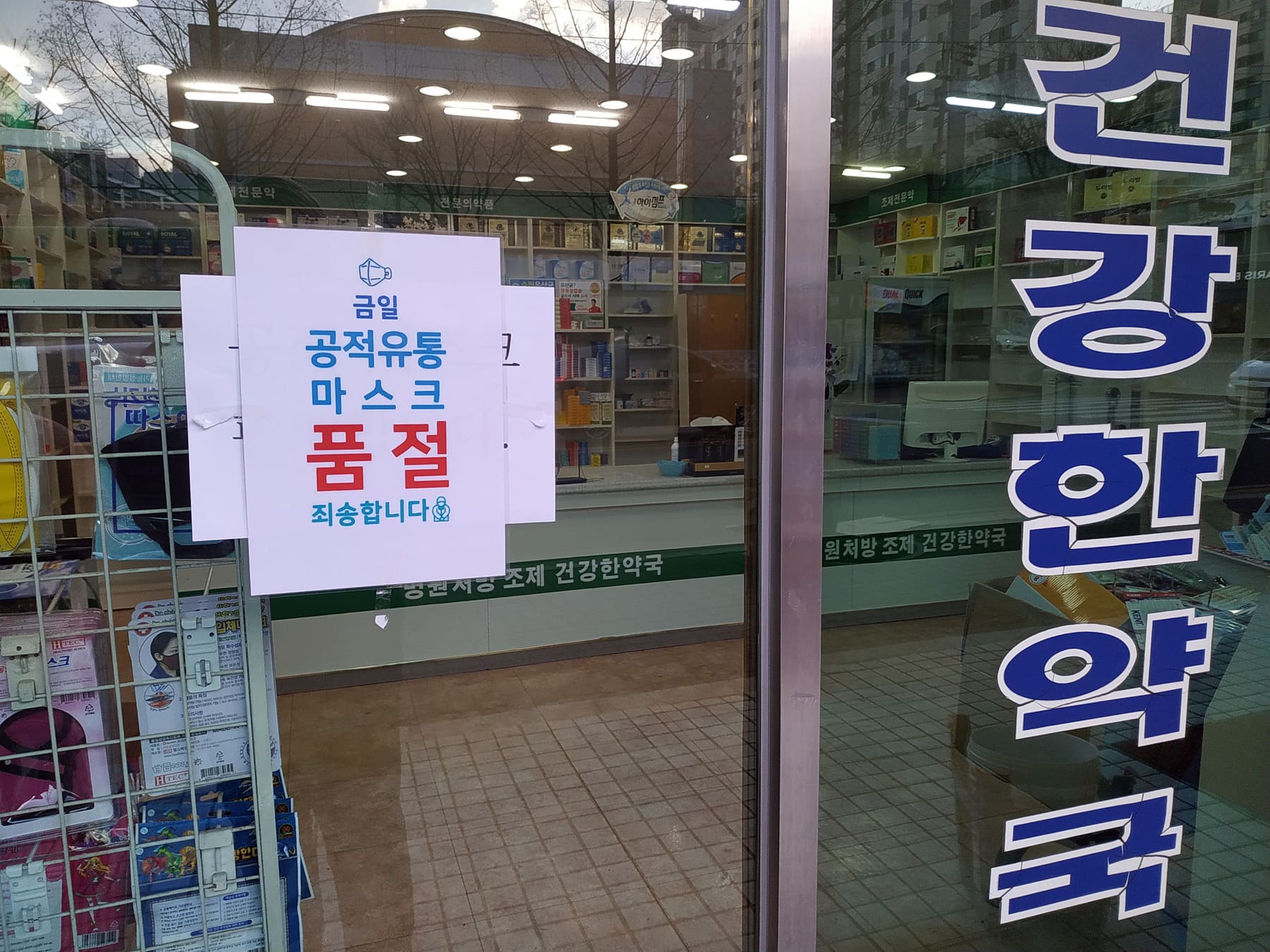
Use it whenever you need to sound respectful: bumping into someone on the subway, arriving late to a meeting, sending the wrong file, keeping a customer waiting. Shops, airlines and public announcements use it a lot, often as 불편을 드려 죄송합니다 (bulpyeoneul deuryeo joesonghamnida, "We apologize for the inconvenience").
죄송해요 (joesonghaeyo) is the same word with the everyday polite ending. It's still respectful, a little softer, and it's what many Koreans say day to day to someone older or a stranger. In a formal meeting, a work email or a serious apology, stay with 죄송합니다.
To make it stronger, add 정말 (jeongmal, "really") or the more formal 대단히 (daedanhi, "greatly"): 정말 죄송합니다. Companies and public figures making an official apology often use 진심으로 사과드립니다 (jinsimeuro sagwadeurimnida, "I sincerely apologize").
죄송 also works as a cushion before a request, the way English speakers say "Sorry, but...". Starting with 죄송한데요 (joesonghandeyo) or 죄송하지만 (joesonghajiman) before 사진 좀 찍어 주실 수 있어요? (sajin jom jjigeo jusil su isseoyo?, "Could you take a photo for me?") makes the request sound considerate rather than demanding.
미안해요 and 미안해 (mianhaeyo, mianhae): sorry to friends and family
미안 (mian) literally means "not at ease." The Basic Korean Dictionary defines 미안하다 (mianhada) as feeling uncomfortable and ashamed because you did something bad to someone. It's a sincere apology, but it doesn't lower you the way 죄송 does, so it fits people at your level or below.
미안해요 (mianhaeyo) is polite and friendly: use it with coworkers at your level, classmates you don't know well yet, a friend's friend, or a younger person you've just met. 미안해 (mianhae) is 반말, casual speech for close friends, siblings, a partner and children. Between very close friends it shrinks to 미안 (mian), roughly "my bad."
미안합니다 (mianhamnida) is formal in form but not humble. You'll hear it from an older person to a younger stranger, from a teacher to a class, or between equals in a formal setting. Saying it to your boss isn't a disaster, but 죄송합니다 is what they'll expect.
When you apologize to a friend, adding their name or title sounds natural. If you call an older friend 형 (hyeong), 누나 (nuna), 오빠 (oppa) or 언니 (eonni) and you've both agreed to use 반말, you can say 미안해, 언니 (mianhae, eonni, "Sorry, eonni"). If those titles are new to you, see oppa, noona, hyung and unnie explained. If you still use polite speech with each other, say 미안해요 or 죄송해요.
Naming what you did makes it sound sincere: 미안해, 내가 잘못했어 (mianhae, naega jalmotaesseo, "I'm sorry, it was my fault") or 미안, 깜빡했어 (mian, kkamppakaesseo, "Sorry, I forgot"). In texts between friends you'll also see 미안 on its own or the English loanword 쏘리 (ssori). Both are light and playful, too light for anything serious.
Koreans also apologize in moments where English speakers would say thanks. When someone treats you to dinner or goes out of their way for you, you may hear 미안해서 어떡해 (mianhaeseo eotteokae, "I feel bad, you shouldn't have"), and a request to a busy person often opens with 바쁘신데 죄송해요 (bappeusinde joesonghaeyo, "Sorry, I know you're busy"). You'll also hear the two together: 죄송하고 감사합니다 (joesonghago gamsahamnida, "I'm sorry, and thank you"). For the thank-you side, see how to say thank you in Korean.
Excuse me vs sorry: 실례합니다, 저기요 and 잠시만요
In English, "sorry" often does the job of "excuse me." Korean keeps the two apart. 죄송합니다 mainly apologizes for something you've already done; the phrases below ask for permission or attention before you do it.
| KoreanRomanization | Use it to | Example |
|---|---|---|
| 실례합니다sillyehamnida | Interrupt, enter someone's office or home, approach a stranger with a question | 실례합니다, 말씀 좀 묻겠습니다 (sillyehamnida, malsseum jom mutgetseumnida, "Excuse me, may I ask you something?") |
| 실례지만sillyejiman | Soften a personal question | 실례지만 성함이 어떻게 되세요? (sillyejiman seonghami eotteoke doeseyo?, "Excuse me, may I ask your name?") |
| 저기요jeogiyo | Call a server or get a stranger's attention | 저기요, 여기 물 좀 주세요 (jeogiyo, yeogi mul jom juseyo, "Excuse me, could we get some water?") |
| 잠시만요 / 잠깐만요jamsimanyo / jamkkanmanyo | Squeeze past people, or ask someone to wait a moment | On a crowded subway: 잠시만요, 내릴게요 (jamsimanyo, naerilgeyo, "Excuse me, I'm getting off") |
| 먼저 실례하겠습니다meonjeo sillyehagetseumnida | Leave a meeting or dinner before everyone else | Said as you stand up to go |
The Standard Korean Language Dictionary defines 실례하다 (sillyehada) as behaving against etiquette, and notes that it's often used as a greeting to ask for the other person's understanding. That's the job "excuse me" does. 실례합니다 is a little formal, though; in a café or restaurant, 저기요 is the everyday way to get attention.
When knocking on a professor's or manager's door, people often say 실례합니다 as they open it, then greet with 안녕하세요 (annyeonghaseyo, "hello"). For greetings by situation, see Korean greetings; for the rest of the everyday courtesy set, see basic Korean phrases.
Mixing these up isn't rude. But if you've already stepped on someone's foot, 실례합니다 sounds like a warning that came too late. Say 죄송합니다, or quickly, 아, 죄송해요 (a, joesonghaeyo, "Oh, sorry").
Apologizing for being late, a small mistake or a big fault
A real apology usually says what you're sorry for. Put the reason in front with -아서/-어서 (-aseo/-eoseo, "because"): 늦어서 (neujeoseo) means "because I'm late." These are the Korean apology phrases you're most likely to need, by situation.
| KoreanRomanization | Meaning | When |
|---|---|---|
| 늦어서 죄송합니다neujeoseo joesonghamnida | I'm sorry I'm late. | Late: work, class, meeting someone older |
| 늦어서 미안해neujeoseo mianhae | Sorry I'm late. | Late: close friends (casual) |
| 기다리게 해서 죄송합니다gidarige haeseo joesonghamnida | Sorry to keep you waiting. | Late: customers, clients |
| 조금 늦을 것 같아요, 죄송해요jogeum neujeul geot gatayo, joesonghaeyo | I think I'll be a little late, sorry. | Late: a text before you arrive |
| 제가 착각했어요jega chakgakaesseoyo | I got that wrong. / I was mistaken. | Small mistake: a mixed-up date, name or time |
| 메시지를 잘못 보냈어요mesijireul jalmot bonaesseoyo | I sent that message by mistake. | Small mistake: follow it with 죄송해요 |
| 제 잘못입니다je jalmosimnida | It's my fault. | Big fault: taking responsibility (formal) |
| 변명의 여지가 없습니다byeonmyeongui yeojiga eopseumnida | I have no excuse. | Big fault: very formal, serious |
| 다시는 이런 일이 없도록 하겠습니다dasineun ireon iri eopdorok hagetseumnida | I'll make sure this doesn't happen again. | Big fault: to close a formal apology |
| 내가 잘못했어. 진짜 미안해naega jalmotaesseo. jinjja mianhae | I was wrong. I'm really sorry. | Big fault: a partner or close friend (casual) |
For a serious apology, especially at work, Koreans tend to follow this order:
- Apologize first, clearly: 정말 죄송합니다 (jeongmal joesonghamnida, "I'm truly sorry").
- Name the fault briefly, without excuses: 제가 확인을 안 했습니다 (jega hwagineul an haetseumnida, "I didn't check it").
- Say how you'll fix it: 오늘 안에 다시 보내 드리겠습니다 (oneul ane dasi bonae deurigetseumnida, "I'll send it again today").
- Promise it won't happen again: 다시는 이런 일이 없도록 하겠습니다.
A long explanation before the apology can sound like an excuse, so lead with the apology and keep the reason short. 용서해 주세요 (yongseohae juseyo, "Please forgive me") exists, but it's heavy and dramatic; for most work mistakes it would sound out of proportion.
How to reply to an apology in Korean
The usual reply to an apology is 괜찮아요 (gwaenchanayo, "It's okay"), often with 아니에요 (anieyo, "No, no") in front: 아니에요, 괜찮아요. Keep it short. A long reassurance can make the moment more awkward.
| KoreanRomanization | Meaning | When |
|---|---|---|
| 괜찮아요gwaenchanayo | It's okay. | The default, with anyone |
| 아니에요, 괜찮아요anieyo, gwaenchanayo | No, no, it's fine. | Kindly brushing off a small slip |
| 괜찮습니다gwaenchanseumnida | It's quite all right. | Formal: work, customers, someone senior |
| 괜찮아gwaenchana | It's fine. | Casual: friends, younger people |
| 신경 쓰지 마세요singyeong sseuji maseyo | Don't worry about it. | Polite. Casual: 신경 쓰지 마 (singyeong sseuji ma) |
| 사과해 줘서 고마워sagwahae jwoseo gomawo | Thanks for apologizing. | Casual: after a real argument with a friend or partner |
| 됐어요dwaesseoyo | Forget it. | Curt and cold even in polite form; avoid it |
괜찮아요 works on the other side too. If someone who bumped into you asks 괜찮아요? (gwaenchanayo?, "Are you okay?"), answer 네, 괜찮아요 (ne, gwaenchanayo, "Yes, I'm fine").
If an older person or your boss apologizes to you, a slightly fuller reply is kinder: 아니에요, 괜찮습니다 (anieyo, gwaenchanseumnida). Don't answer with 다음부터 조심하세요 (daeumbuteo josimhaseyo, "Be careful next time"). That's what a senior says to a junior, and from anyone else it sounds like a scolding.
Common mistakes learners make with Korean apologies
- Saying 미안해 to strangers, staff or anyone older. It's 반말, so it can sound like you're talking down to them. Use 죄송합니다 or 죄송해요.
- Saying 미안합니다 to your boss or teacher. It's polite in form, but not humble enough for someone clearly senior. 죄송합니다 is the expected word.
- Using sorry for sympathy. "I'm sorry to hear that" isn't 미안해요, which means you caused the problem. Say 힘드셨겠어요 (himdeusyeotgesseoyo, "That must have been hard") or 속상하시겠어요 (soksanghasigesseoyo, "You must be upset"). After a death, the standard written condolence is 삼가 고인의 명복을 빕니다 (samga goinui myeongbogeul bimnida), roughly "May they rest in peace."
- Saying 실례합니다 after the fact. It asks permission in advance; once you've bumped into someone, say 죄송합니다.
- Using 죄송합니다 with a close friend. It sounds stiff, or like you're joking.
- Reading the romanization as English. The "joe" in joesonghamnida isn't the name Joe: 죄 is one syllable, and the dictionary also accepts it pronounced like "jweh." 합니다 sounds like ham-ni-da. Our Korean pronunciation guide covers why.
Quick check.You sent your manager the wrong file. Which line fits best?
Practice one apology at three levels
Knowing the table is the easy part. Under pressure, you'll reach for whichever version you memorized first, so practice the same apology at every level until switching is automatic. Start with being late:
- 늦어서 죄송합니다 (neujeoseo joesonghamnida): your boss, a teacher, a client
- 늦어서 미안해요 (neujeoseo mianhaeyo): a coworker at your level, a classmate
- 늦어서 미안해 (neujeoseo mianhae): a close friend or sibling
A tutor makes this much faster. Write three apologies you might need, one for a boss, one for a friend and one for a stranger, and bring them to your first lesson. Ask your tutor to play each person and tell you which level they'd expect. Tutors who focus on Korean conversation suit this kind of role-play; what each tutor covers varies, so tell them what you'd like in the site chat before the lesson.
On HaruMeet (Haru), lessons are live 1:1 Zoom calls with a tutor you choose, and most tutors are native Korean speakers living in Korea. As of October 2026, all 19 tutors teaching Korean list English among the languages they speak, and 25-minute lessons cost $7.70 to $20.90 including the student fee (median $11). Your first lesson with each tutor is 50% off, about $5.50 at the median price. See pricing for lesson packs and cancellation rules.
Frequently asked questions
How do you say sorry in Korean?
Say 죄송합니다 (joesonghamnida) to strangers, staff, your boss and anyone older; it's the formal, safe default. Use 미안해요 (mianhaeyo) with peers and people you know, and 미안해 (mianhae) only with close friends and family, since it's casual 반말.
What is the difference between mianhae and joesonghamnida?
Joesonghamnida (죄송합니다) is formal and humble: it lowers the speaker, so it's used toward people above you and for serious apologies. Mianhae (미안해) is casual speech for people you're close to or younger than you. Mianhae to a stranger or an elder sounds rude; joesonghamnida to a best friend sounds stiff.
How do you say sorry to a friend in Korean?
Say 미안해 (mianhae), or just 미안 (mian) for something small. For a real apology, add the reason: 늦어서 미안해 (neujeoseo mianhae, "Sorry I'm late") or 내가 잘못했어, 미안해 (naega jalmotaesseo, mianhae, "I was wrong, I'm sorry"). If you still use polite speech with that friend, say 미안해요 (mianhaeyo).
Is 미안합니다 (mianhamnida) polite enough for my boss?
It's polite in form, but it doesn't lower you the way 죄송합니다 does. Older people use it with younger strangers, and equals use it in formal settings. With a boss, teacher or client, 죄송합니다 (joesonghamnida) is what's expected.
What do you say when someone apologizes to you in Korean?
괜찮아요 (gwaenchanayo, "It's okay") is the standard reply, often as 아니에요, 괜찮아요 (anieyo, gwaenchanayo, "No, no, it's fine"). Use 괜찮습니다 (gwaenchanseumnida) in formal settings and 괜찮아 (gwaenchana) with close friends.
How do you say "excuse me" in Korean?
It depends on the job. 저기요 (jeogiyo) gets a server's attention, 잠시만요 (jamsimanyo) gets you past people, and 실례합니다 (sillyehamnida) is for interrupting or politely approaching a stranger. If you've already bumped into someone, that calls for an apology: 죄송합니다.
How do you say "I'm sorry for your loss" in Korean?
Not with 미안해요, which means you caused the problem. The standard written condolence is 삼가 고인의 명복을 빕니다 (samga goinui myeongbogeul bimnida), roughly "May they rest in peace." For other bad news, say 힘드셨겠어요 (himdeusyeotgesseoyo, "That must have been hard").
How do you pronounce joesonghamnida?
Roughly jweh-song-ham-ni-da. 죄 (romanized joe) is one syllable, not the English name Joe, and the dictionary lists both 죄 and 줴 as standard pronunciations, so "jweh" is fine. 합니다 is pronounced ham-ni-da because ㅂ turns into an m sound before ㄴ.
Sources
- National Institute of Korean Language, Basic Korean Dictionary — 죄송하다 (joesonghada)
- National Institute of Korean Language, Basic Korean Dictionary — 미안하다 (mianhada)
- National Institute of Korean Language, Standard Korean Language Dictionary — 실례하다 (sillyehada)
- National Institute of Korean Language — Romanization of Korean
Photos: Rickinasia, CC BY-SA 4.0, Wikimedia Commons