
Basic Japanese Phrases: Greetings, Travel, and Daily Use
The Japanese phrases that actually earn their place: すみません, お願いします, いくらですか — plus the two lines that rescue a stalled conversation.
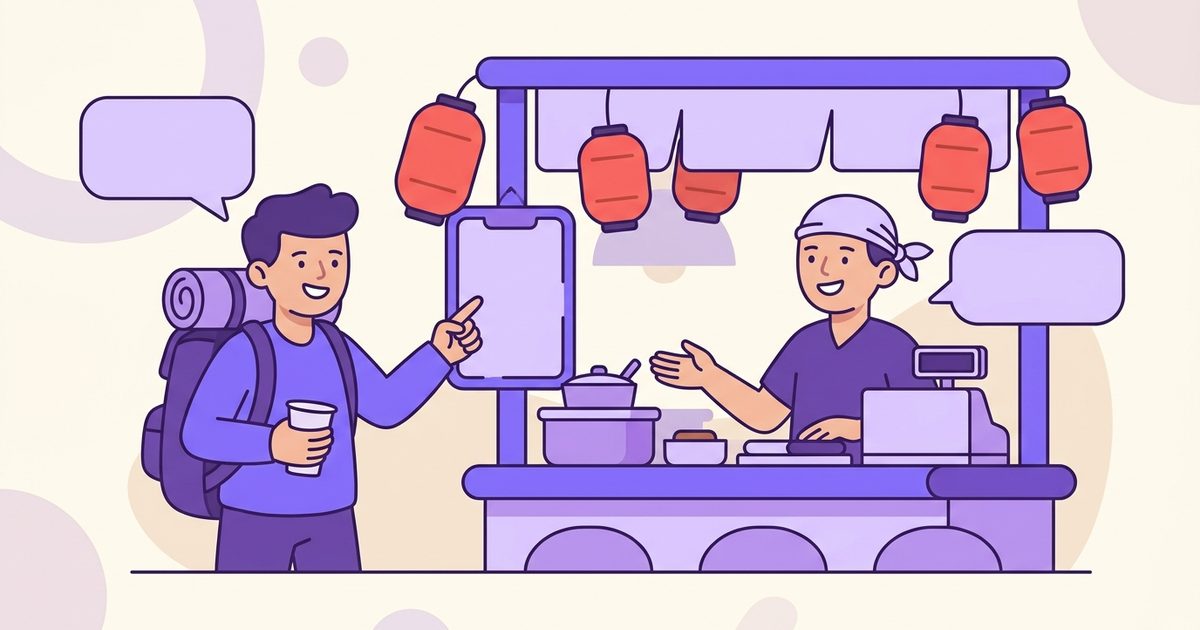
The six that do the most work
If you only memorize a handful, make it these six. すみません in particular does triple duty — getting someone's attention, apologizing, and offering light thanks — which makes it the single most-used phrase on a trip.
| Japanese | Reading | When to use it |
|---|---|---|
| すみません | sumimasen | Excuse me / sorry / thanks — all three |
| ありがとうございます | arigatou gozaimasu | Thank you |
| お願いします | onegaishimasu | Please — attach it to any request or order |
| 大丈夫です | daijoubu desu | It's fine / no thanks — declines and reassures |
| いくらですか | ikura desu ka | How much is it? |
| わかりません | wakarimasen | I don't understand — your escape hatch |
In shops and restaurants
You rarely need to open a conversation in a shop. Staff greet you with いらっしゃいませ, which requires no reply, and you call them over with すみません when ready. Orders only need the frame ~をお願いします or ~をください.
| Japanese | Reading | Meaning |
|---|---|---|
| これをください | kore o kudasai | This one, please — point and it always works |
| おすすめは何ですか | osusume wa nan desu ka | What do you recommend? |
| お会計お願いします | okaikei onegaishimasu | The check, please |
| 持ち帰りで | mochikaeri de | To go — for here is 店内で (tennai de) |
| カードは使えますか | kaado wa tsukaemasu ka | Do you take cards? |
| 袋はいりません | fukuro wa irimasen | I don't need a bag |
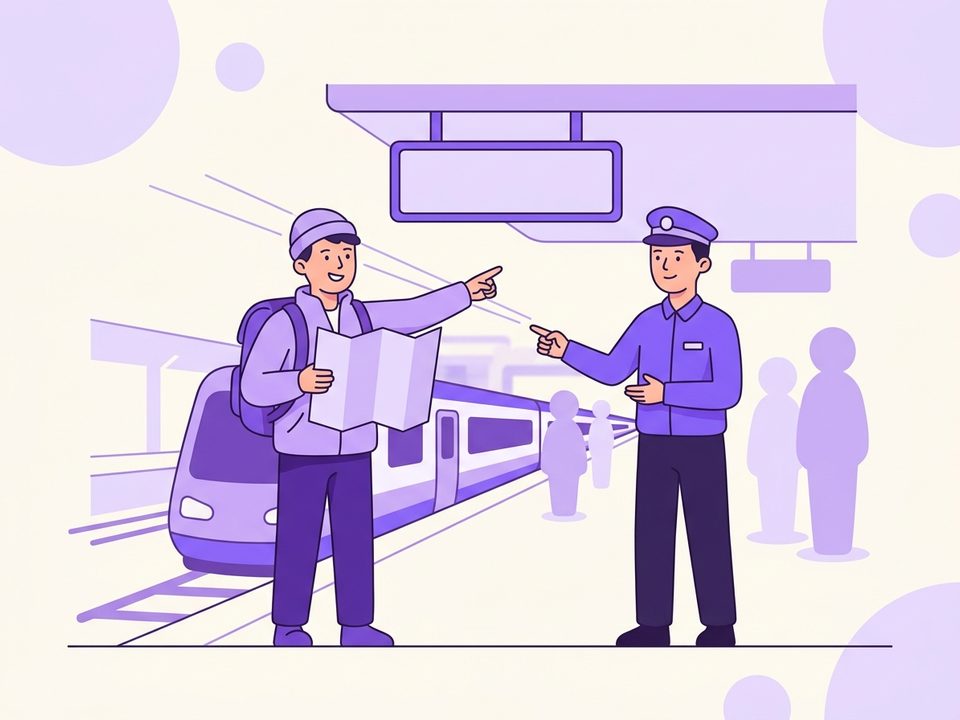
Getting around
| Japanese | Reading | Meaning |
|---|---|---|
| トイレはどこですか | toire wa doko desu ka | Where is the toilet? |
| 駅はどこですか | eki wa doko desu ka | Where is the station? — swap the noun for anything |
| ここに行きたいです | koko ni ikitai desu | I want to go here — while showing a map |
| 何時ですか | nanji desu ka | What time is it? |
| 助けてください | tasukete kudasai | Please help me — for emergencies |
When the conversation stalls
The most valuable beginner phrases are not the ones that show what you know. They are the ones that keep the exchange alive when you are lost. With these, the other person adjusts instead of giving up.
| Japanese | Reading | Meaning |
|---|---|---|
| もう一度お願いします | mou ichido onegaishimasu | Once more, please |
| ゆっくりお願いします | yukkuri onegaishimasu | Please speak slowly |
| 英語がわかりますか | eigo ga wakarimasu ka | Do you understand English? |
| 日本語が少しわかります | nihongo ga sukoshi wakarimasu | I understand a little Japanese |
| これは何ですか | kore wa nan desu ka | What is this? |
Check yourself
You want to get a shop assistant's attention. What do you say?
You only need one politeness level at first
Japanese has several politeness levels, but a beginner needs exactly one: the ~です / ~ます forms. They are never rude with anyone, anywhere. Casual speech can wait until you have relationships where it fits.
Practice catching the answer, not just asking the question. Getting the question out perfectly and then freezing on the reply is the most common way travel Japanese breaks down.
Frequently asked questions
What Japanese phrases do I need for a trip?
Six cover most situations: すみません (excuse me / sorry), お願いします (please), これをください (this one, please), いくらですか (how much?), トイレはどこですか (where is the toilet?), and わかりません (I don't understand).
What is the difference between すみません and ごめんなさい?
すみません is the all-purpose one — getting attention, apologizing lightly, even thanking. ごめんなさい is a more personal apology for something you did, so with strangers and in shops すみません is the natural choice.
Can I get by in Japan with just phrases?
For short transactions — ordering, paying, asking directions — memorized phrases are enough. Understanding the reply is the harder half, which is why もう一度お願いします (once more) and ゆっくりお願いします (slowly, please) belong in the same set.
Find the tutor that fits you