Korean Lessons Online: What They Cost and How to Choose
Korean lessons run $1.10–$20.90 per 25 minutes (median $11). What moves the price, group vs 1:1, and how to get real value on a small budget.
What affects the price
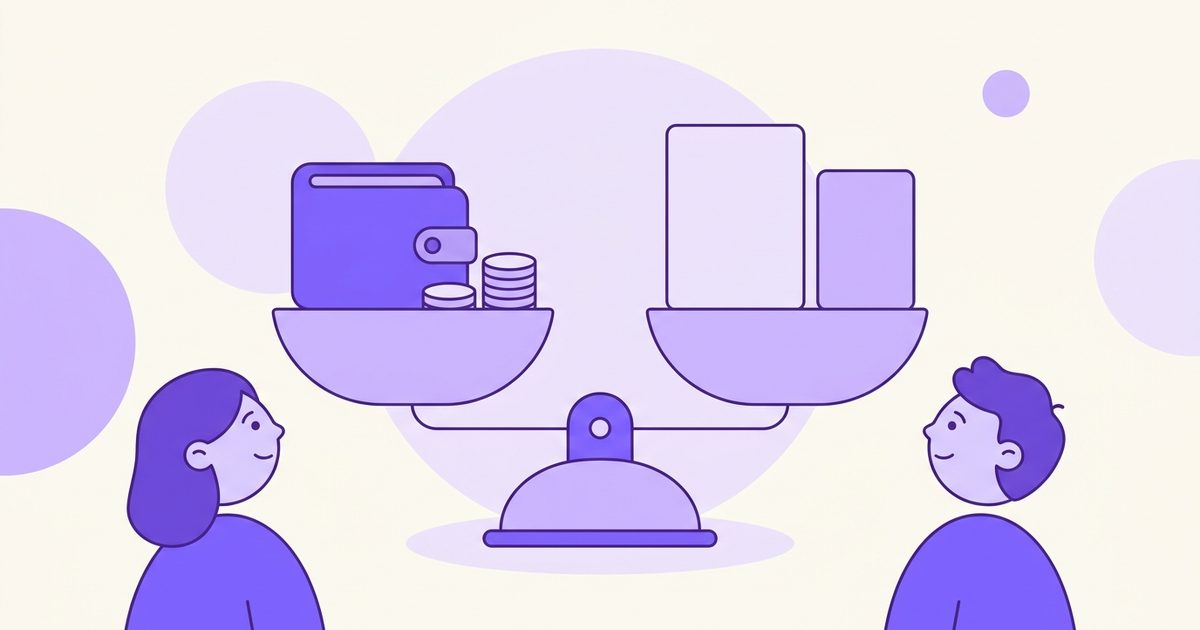
The price of a Korean lesson isn't one fixed number — it's the sum of a few factors. It shifts with the tutor's experience and qualifications, the format (1:1 or group), the length of the lesson, and whether you want general conversation or a specialized track like exam prep or business Korean.
Generally, 1:1 lessons with a qualified professional tutor sit at the top of the range, while conversation partners or group classes cost less. Neither is simply "right" — the question is which format fits your current goal.
Group lessons vs 1:1
Group lessons split the cost across several students, so the per-hour price is lower, and practicing alongside other learners can be motivating. The trade-off is that the tutor's attention is divided, so it's harder to zero in on your specific weak spots.
1:1 lessons cost more per hour, but the entire session is yours. The tutor works at your pace and corrects the mistakes you actually make, so you often cover more ground in the same time. If you're on a deadline or have a clear goal, 1:1 can be the better value despite the higher rate.
How to read the typical ranges
Exact figures vary from tutor to tutor, but the overall shape is predictable. Group classes and conversation partners tend to be the most affordable, while 1:1 specialized lessons with experienced, qualified tutors sit at the higher end. Prices also differ by region, currency, and the platform a tutor works on.
The surest way is to compare several tutor profiles side by side. On Haru, each tutor lists their own rate, so before booking you can weigh the price against their bio and reviews and pick someone who fits your budget.
Actual prices on Haru (as of August 2026)
As of August 2026, 25-minute Korean lessons on Haru range from $1.10 to $20.90 (USD), with a median of $11. The lowest price is a new-tutor promotional rate; most tutors sit in the $8.80–$16.50 band. A 50-minute lesson books as two 25-minute blocks.
Lesson packs (5 or 10 lessons) lower the per-lesson price. Tutors set their own rates, so this range can shift — the tutor list always shows current prices.
Getting the most value for your budget
The cheapest lesson isn't automatically the most economical. Walk in unprepared and it's easy to waste paid time on small talk. Come with questions ready, spend the lesson itself on speaking practice, and handle rote memorization outside class with an app or textbook — that's how you get full value from a paid lesson.
Frequency matters too. A moderately priced lesson taken regularly usually beats an expensive one taken once in a while — both for your progress and your wallet over the long run.
Free vs paid: how to combine them
Hangul, basic vocabulary, and simple grammar are perfectly fine to start with using free videos and apps. The part most worth paying for is what you can't do alone: real conversation practice and feedback on your pronunciation and phrasing.
That's why many learners build their base with free resources, then use paid tutor lessons to turn that knowledge into actual speaking ability. If money is tight, cut the frequency before you cut the tutor conversation — that's the piece hardest to replace.
Frequently asked questions
Why do tutors charge different rates?
Rates vary with a tutor's experience and qualifications, the format and length of the lesson, and their specialty (conversation, exam prep, business, and so on). Qualified professional 1:1 lessons tend to cost more, while group classes and conversation partners cost less.
As a beginner, should I take group or 1:1 lessons?
There's no single answer, but if you want to build the basics solidly or get focused pronunciation feedback, 1:1 is efficient. If you'd rather save money and stay motivated alongside other learners, starting with a group class works well too.
Aren't free resources enough on their own?
For getting the basics down, free resources really are enough. But real conversation practice and pronunciation feedback are hard to do alone, so once you have a foundation, adding paid lessons is what tends to lift you to the next level.
Find the tutor that fits you